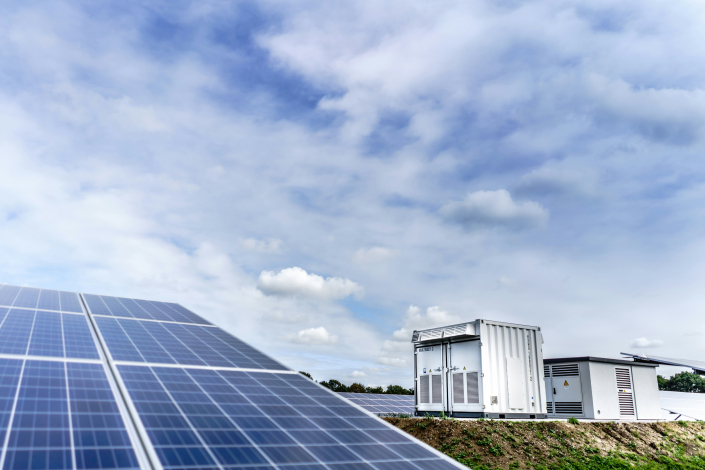
Central control of all energy flows
The EMS records and controls energy generation, battery storage, consumers, and charging infrastructure in real time. Energy flows are displayed transparently and actively optimized—both locally at the site and across sites.
Intelligent optimization during operation
Through defined operating strategies, the EMS enables self-consumption optimization, peak load reduction, and stable operation even with highly fluctuating generation or load. Battery storage can be used flexibly for different applications.
Grid-compliant plant operation
The energy management system meets the relevant grid connection requirements and supports control functions such as P/Q control, feed-in management, telecontrol, and EZA control. This ensures smooth acceptance and safe operation.
Integration of charging infrastructure
AC and DC charging points are seamlessly integrated into the energy management system. The EMS handles dynamic load management, prioritization of charging processes, and compliance with grid connection limits—even for large charging parks or fleet applications.
General functions and advantages:
- Energy management systems for C&I applications, large-scale and individual projects
- Manufacturer-independent integration of generators, storage systems, consumers, and charging infrastructure
- Future-proof connection of OT and IT systems
- Ready-to-connect EMS hardware for indoor and outdoor use
- Preconfigured and optimized for quick commissioning
- Central IoT platform for monitoring, remote maintenance, and updates
- Integrated security concepts for reliable plant operation
- Intuitive user interfaces for transparent plant monitoring
- Data-based optimization of energy flows and operating strategies
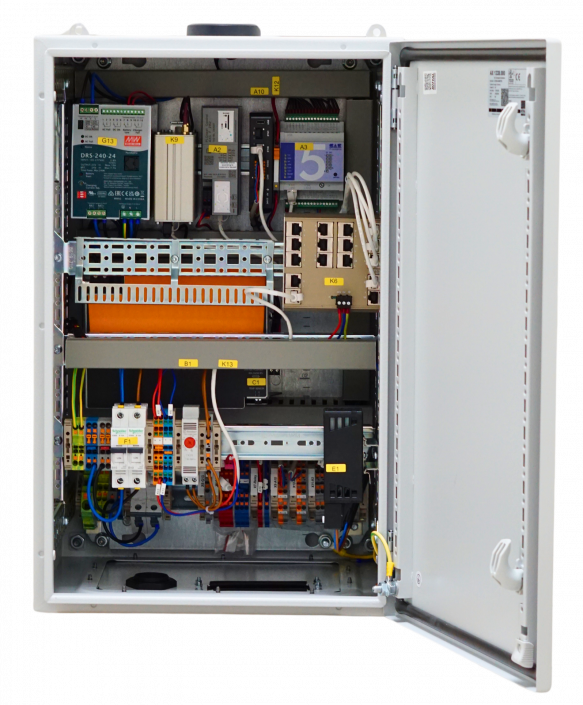
For which applications is the EMS suitable?
Commercial, Industrial, and Utility Scale
Optimization of self-consumption, reduction of grid fees, and intelligent load management with limited grid connection.

Battery Storage Projects
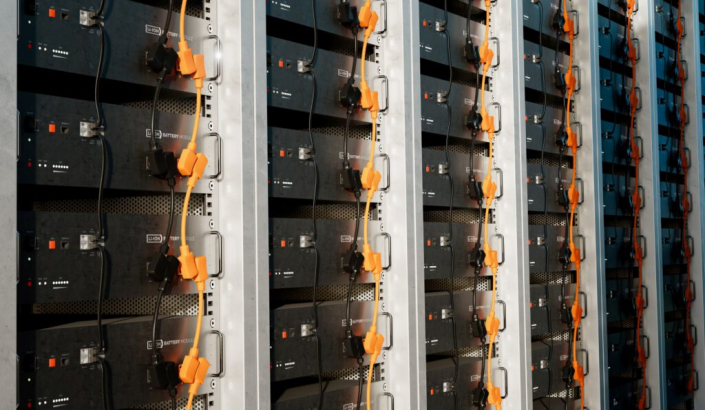
Control of standalone, hybrid, and multi-use storage systems, including combination with PV, charging infrastructure, or other generators.
Charging Infrastructure and Logistics
Scalable load management solutions for charging hubs, depot charging, and public charging infrastructure—without costly grid expansion.

Microgrids and complex Energy Systems
Coordination of multiple generators, storage units, and consumers with optional island or backup power function.